


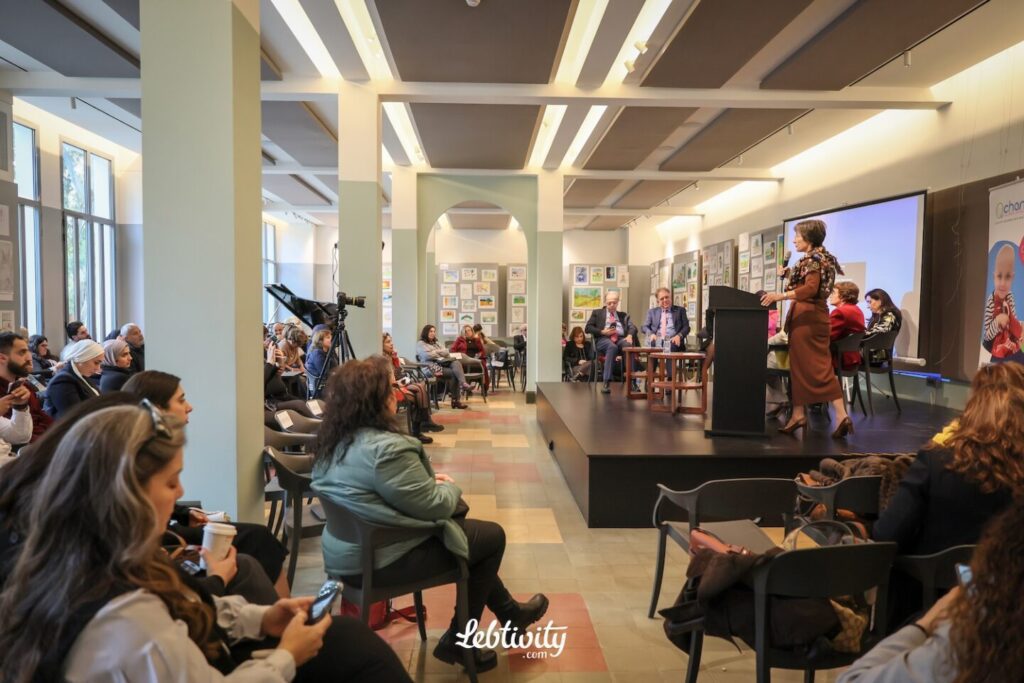
The 2nd Paediatric and Neonatal Palliative Care Symposium was held in Beirut on Wednesday 25th February, organised by the CHANCE Association. Hosted at the Fondation Charles Corm, the symposium was attended by more than 200 participants from across Lebanon including nurses, doctors, psychologists, social workers, spiritual leaders and policy makers. The symposium included the closing event of the National Pioneer Project initiated by the CHANCE Association “Innovation and Immersive Technology in Paediatric Pain, Psycho-Oncology and Palliative Care” under the patronage and in the presence of H.E. Minister of Public Health Dr. Rakan Nassereddine.
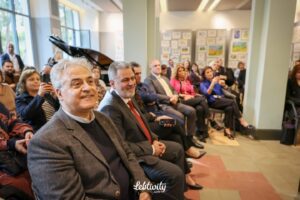
The CHANCE Association is a non-denominational, apolitical charity that has been declared of public utility, working with children with cancer and blood disorders for the past 20 years. It was founded with parents, doctors and volunteers after a child from Damour in South Lebanon died from cancer as the family could not afford the treatment. The Association is committed to improving the lives of children with cancer and blood disorders, including ensuring access to care and curative essential treatments, pain management, palliative care and psychological care. Hence the importance of the Innovation and immersive Technology project. Throughout this national initiative, CHANCE, guided by an advisory committee from leading academic institutions, has built national capacity in paediatric psycho-oncology, trained 140 licensed psychologists from all Lebanese regions, and introduced innovation and virtual reality for pain and anxiety management through training nursing and physician teams in pain management and paediatric palliation across seven hospitals in Lebanon.
The symposium ran from 10.30 -15.00, when H.E Minister of Public Health arrived for the closing event for the project, which ran until 16.00. Prof Roula Farah, the President of the CHANCE Association and Professor of Medicine, Paediatric Heamatology-Oncology at the Lebanese American University opened the symposium. She emphasised the importance of pain management and palliative care for children, including those with cancer. Having highlighted the holistic nature of palliative care, she explained the project, what they had done, and the anticipated positive impact of the project on children and their families. She also stressed the importance of palliative care for all children with life-limiting conditions including neonates, hence the inclusion of a panel discussion on neonatal palliative care.
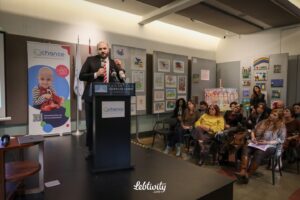
H.E Minister of Public Health
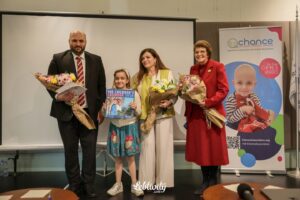
The Minister, a child cancer survivor, Dr Roula and Prof Julia Downing
The keynote address was given by Prof Julia Downing, Chief Executive of the International Children’s Palliative Care Network (ICPCN), on Global Perspectives on Children’s Palliative Care: Challenges and Solutions. She spoke about the need for palliative care for children, how children’s palliative care is developing around the world and the importance of understanding the global policy perspective in advocating for children’s palliative care. She then discussed the challenges for children’s palliative care development along with solutions for overcoming these. She stressed the importance of collaboration, of encouraging, inspiring and learning from each other. Together we can make sure that the voice of children and their families from around the world can be heard.
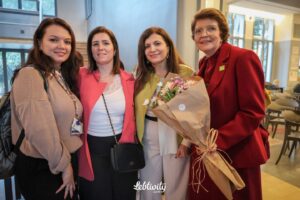
Dr Dolly Noun, Janane Hanna, Prof Roula Farah and Prof Julia Downing
Following the highlighting of the need for perinatal and neonatal palliative care in both the opening and keynote address, Janane Hanna, Paediatric Pain and Palliative Care Clinical Nurse Specialist from the American University of Beirut Medical Centre (AUBMC) and Balsam, led a panel discussion on prenatal and neonatal palliative care. The panel included neonatologists, nurses and psychologists, and explored the importance of neonatal palliative care, some of the challenges to its provision in Lebanon, and strategies that have been used to try and overcome these along with a way forward for strengthening prenatal and neonatal palliative care in Lebanon.
After a networking break, with the opportunity to view an exhibition of pictures painted by children with cancer, two sessions looked at pain management in children, discussing pain scales, pain assessment, management and care. This included a discussion of the use of innovation and virtual reality in pain and palliative care. The evidence from the project was shared along with applications for the future. This led nicely into a session on Evidence-Based Advocacy in Children’s Palliative Care – From Research to Policy and Impact from Prof Downing. In this session she shared the importance of increasing the evidence-base in children’s palliative care to not only inform practice but also policy. She shared examples of studies that have generated the evidence to inform decision making, helped advocate for change and improve access and enhance care.
A discussion on children’s palliative care in Lebanon and where we are today followed, facilitated by Dr Leila Akoury-Dirani, the past president of the Lebanese Order of Psychologists and member of the advisory team of the CHANCE Association and Prof. Roula Farah, CHANCE President. They explored the development of children’s palliative care, the importance of collaboration, of education, mentorship, teamwork, and addressing physical, psychological, social and spiritual needs. The also addressed some of the challenges for service provision in Lebanon and how these can be overcome. During the discussion the importance of caring for the caregiver, particularly for the nurses. This led on to a presentation by Dr Tony Sawma, expert psycho-oncologist on healthcare providers burn out.
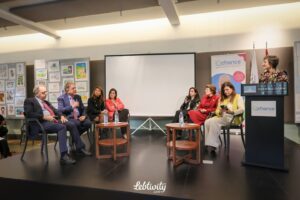
Panel discussion on CPC in Lebanon
As we waited for the Arrival of H.E the Minister of Public Health there was a musical reflection by pianist Guilnar Majdalani. At the opening of the closing event Prof. Farah summarised the project, the key findings, and the next steps, highlighting the gaps in psychological support at the hospitals, the impact of the CHANCE pioneer outreach psycho-oncology program that provided over 345 free psychological visits to families, the need to strengthen healthcare teams knowledge about neonatal and pediatric pain scales and the importance of capacity building in children’s palliative care which needs to be called comfort care as we switch our mindset in understanding palliation as an essential part of symptom management in the treatment journey from the time of diagnosis. Prof Downing then talked about Securing access for All: Tackling Inequity in Children’s Palliative Care, discussing five key ways of doing this. H.E. Minister of Health Dr Rakan Nassereddine emphasized in his address that curing childhood cancer requires a holistic approach integrating essential medicines with psychosocial and palliative care, stressing that comfort care is as important as pharmacological treatment. He highlighted the importance of public–private integration to ensure equitable access to care. Following appreciation of all involved in the symposium the piano performance continued and participants had the opportunity to view “Brushstrokes of Hope: Where Healing Meets Art” an art and healing exhibition by children with cancer and blood disorders, and to network during a cocktail reception in the gardens of the beautiful Fondation Charles Corm.
The symposium was an occasion dedicated to children and families living with cancer and blood disorders, honouring resilience, compassion and the collective efforts shaping the project and the symposium. Prof Roula Farah underscored that childhood cancer must not be treated as a “low-volume, high-cost exception,” but rather as a national moral and public health priority requiring sustained policy commitment, structured financing, and unified standards of care.
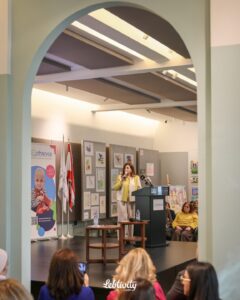
Prof Roula Farah
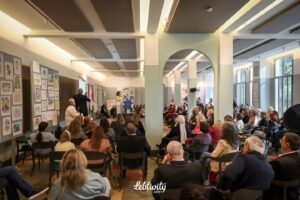
This programme and symposium were made possible through a grant from the MDRT Foundation.